SimThink OS Story · Episode 01
From Players to Makers:
ten children in Yeongyang made their own games in four weeks.
In the summer of 2026, ten elementary school children in Yeongyang, North Gyeongsang Province, Korea, came to four Sunday classes. They moved from playing games to making them. This is the record of that course.
Published August 17, 2026 · Page updated August 23, 2026 · Recorded and reviewed by Myeongseong Simjae (MSSJ) · Numbers are from the course operating record
Things used in this project
Six parts that ran this classroom
Instead of a hardware list, we list the six parts that ran this classroom. MSSJ built and ran all of them.
01
Making helper
A child asks in words, and a web game is made. It comes back as a link the child can play at once. There is nothing to install, no code and no account to create.
02
Playground (showcase)
Children post their finished works. Classmates play them and press "like". The Playground is for the class only. It is not open to the public internet.
03
Invisible running mate
During class, the operating team watches the platform remotely. When a child is stuck, the team fixes only the problem underneath and gives the game back. Average time: 10 minutes.
04
Weekly award cycle
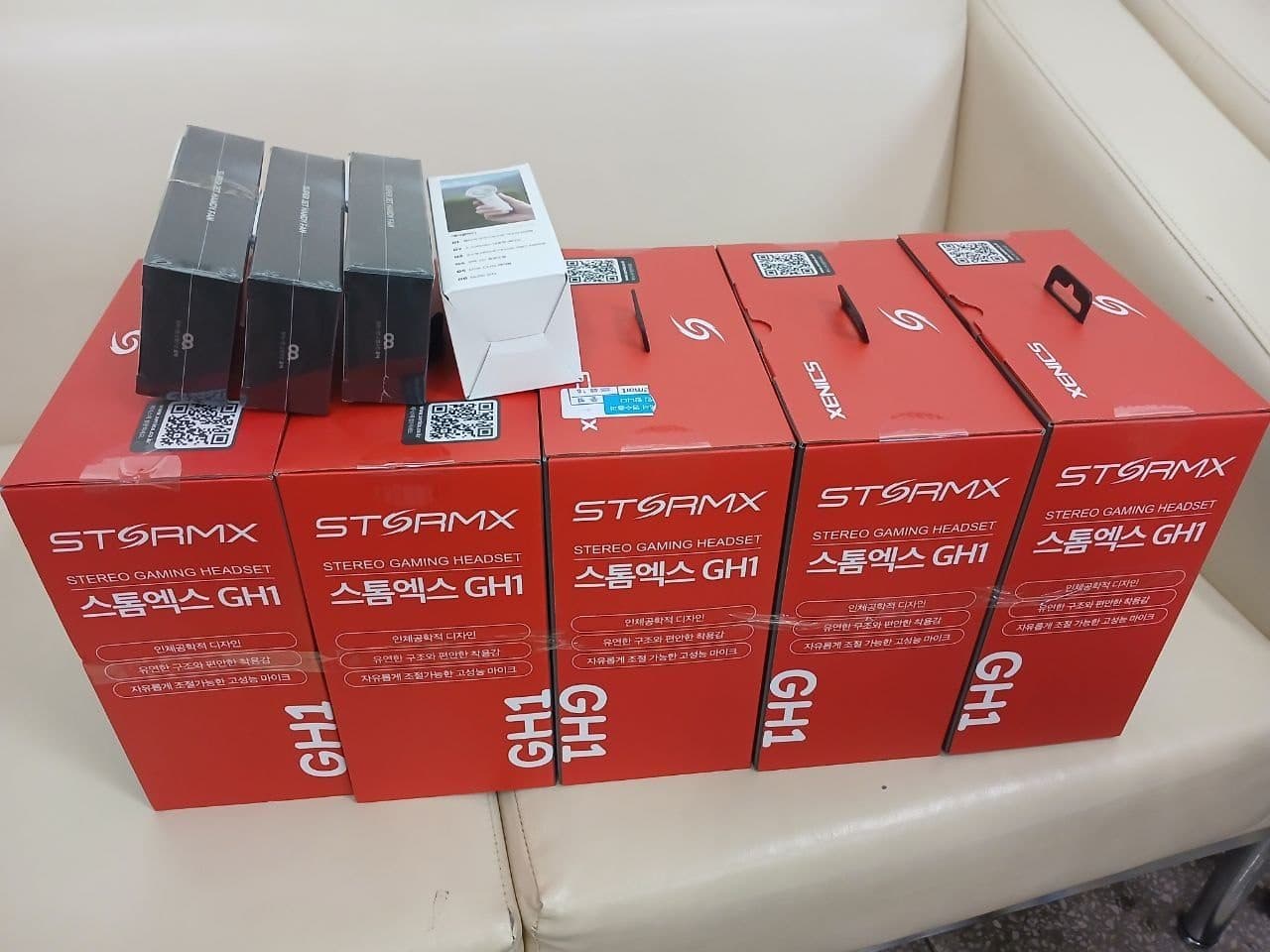
The game that classmates enjoyed most gets an award the next week. Making a game well means making it fun for other people.
05
Remix of an original
In the last week, the teaching material was the teacher’s own finished game. Children took it apart, took it over and changed it into their own versions.
06
Automatic record
Every play, like and change is recorded. All numbers in this story come from that record.
Chapter 1
Clear intent is the new source code
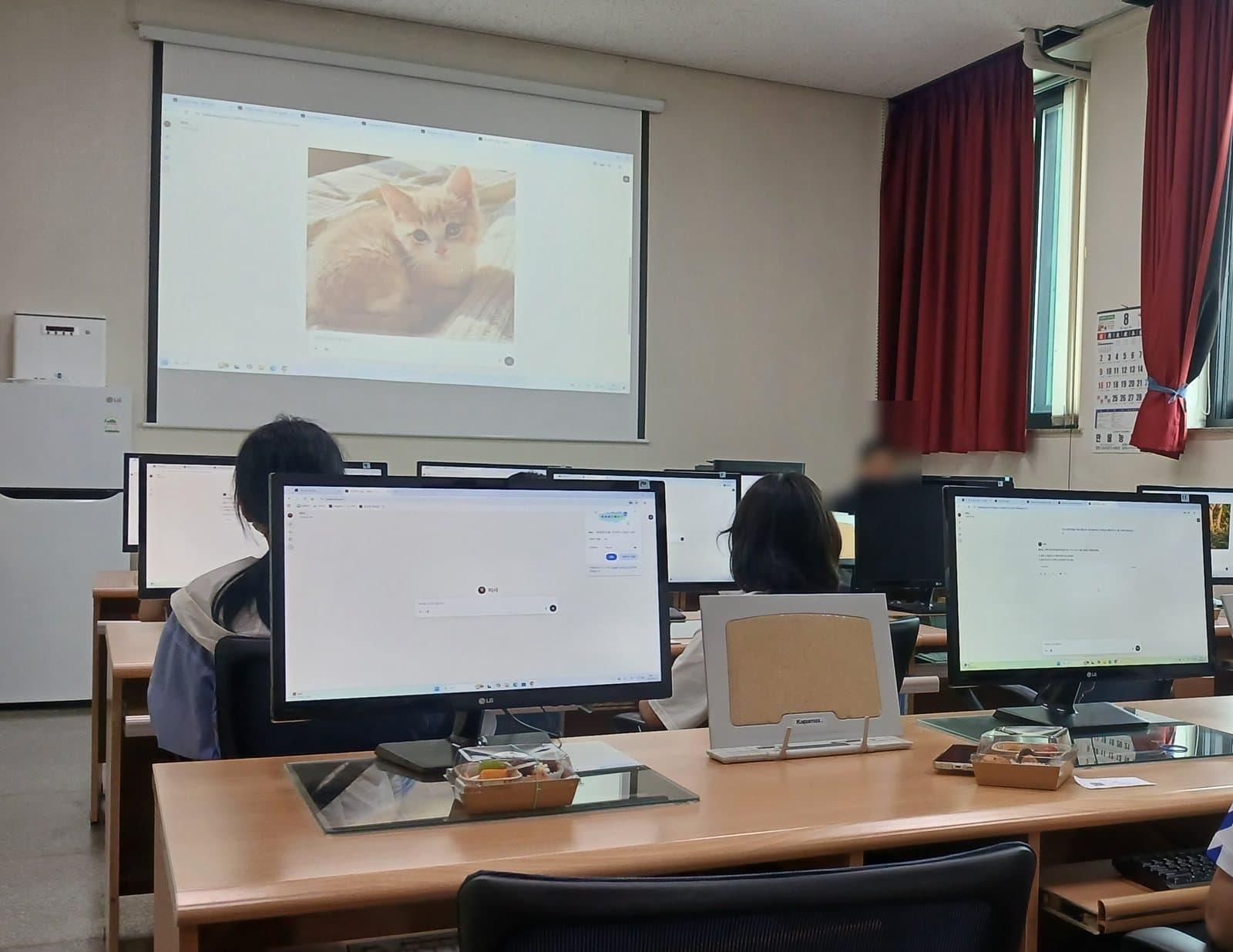
The first class had one goal: the experience that “my words become a game.” Before keyboard shortcuts, the children learned to put what they wanted to make into exact words. Say it, try it, look at it, change it. These four steps are the real work cycle of software development (requirement, build, check, improve), put into a child's words.
People used to need a programming language to make software. That time is coming to an end. The source code of the next time is clear intent: you know what you want, and you say it so that others (people or AI) can carry it out without misunderstanding. This course trained that ability. Game-making was the way to practice it.
On the first day, the children made 12 games. They all started from the same example. On their own, they turned it into running games, jump maps, collecting games, a gardening game and tag. Children made these changes without being taught, as soon as they had a way to say what they intended.
Chapter 2
Children as each other's audience
Half of the making experience is the audience. When finished works went up on the Playground, the mood in the classroom changed. Between work on their own games, the children played their friends' games and pressed “like”. In four weeks, they played or watched each other's works 1,415 times.
The Playground has one rule: “The game that friends play most and like most becomes the game of the week.” At the award stand, the children learned a definition: making something well means making it fun for others. Making, audience and reward form a small economy. It is an early model of a creator economy.
On weekdays with no class, the Playground still recorded 138 plays. The children played and made things out of habit, not as homework.
10
children enrolled, all finished the 4 weeks
116
works posted (36 games + 80 videos and music)
1,415
plays and views of each other’s works
198
likes
Chapter 3
The invisible running mate
In the last class, one child tried a new subject: a badminton game. The child got stuck. The shuttlecock did not follow the laws of physics, so no rally was possible. The operating team found the cause remotely and at once. In 7 minutes they fixed the game so that rallies worked. On that base, the child went on to test their own ideas, such as moving around the court and curve shots.
This shows how we support children. Our help does not make the work for the child. We fix only the problem underneath, and the child stays in charge of the creative work. Adults prepare a setting where a challenge does not end in giving up.
Help like this continued for all four weeks: keyboard problems, a screen where the character had disappeared, physics errors. All of them were solved during class, in 10 minutes on average. The children did not stop. They moved on to their next idea.
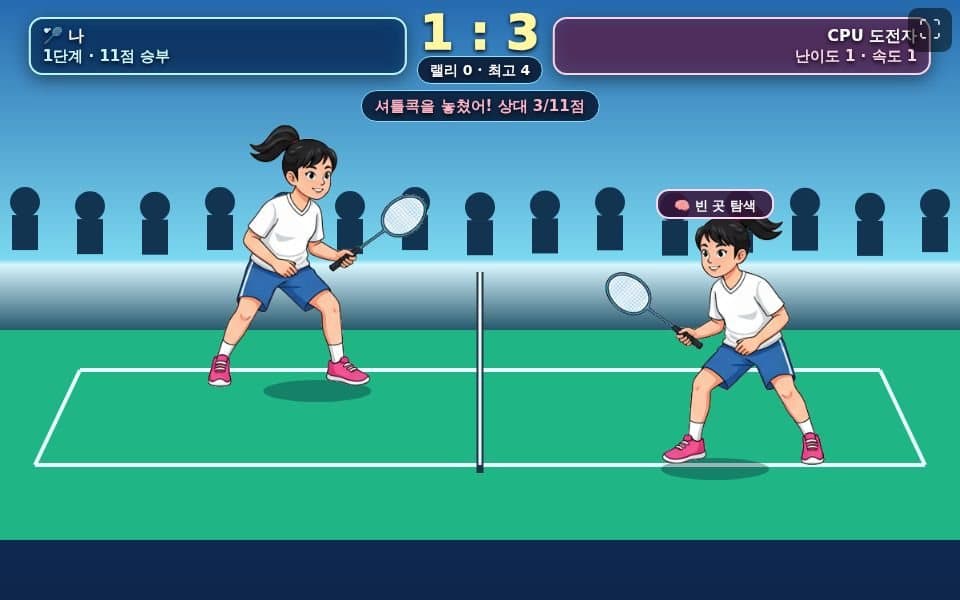
Chapter 4
Learning to build on someone else's work
In the last week, the teaching material was the teacher's own finished game: a fighting game called Taekwon Wave. The class took it apart together. Then each child took it over and changed it into their own version. Every child who took part finished their own remix.
Reading someone else's finished work and changing it is how most real making happens. Most software in the world grows on top of other people's code, not from a blank page. The remix was the children's first experience of open-source culture. Their words also changed. They stopped saying “make it fun”. They started saying “make the special-move gauge fill a little faster” and “make the opponent a bit smarter”. This is the language of a designer, who names numbers and rules.
One child took a different direction. Instead of making their own character stronger, the child asked again and again to make the opponent (the computer-controlled character) smarter. The child wanted an opponent that was worth beating. The child saw that the fun of a game comes from how smart the opponent is. It was the most designer-like request in the course.
More than half of the children went beyond the remix. They made new games about badminton, survival and their own daily lives. On a structure they took over, they grew something of their own.
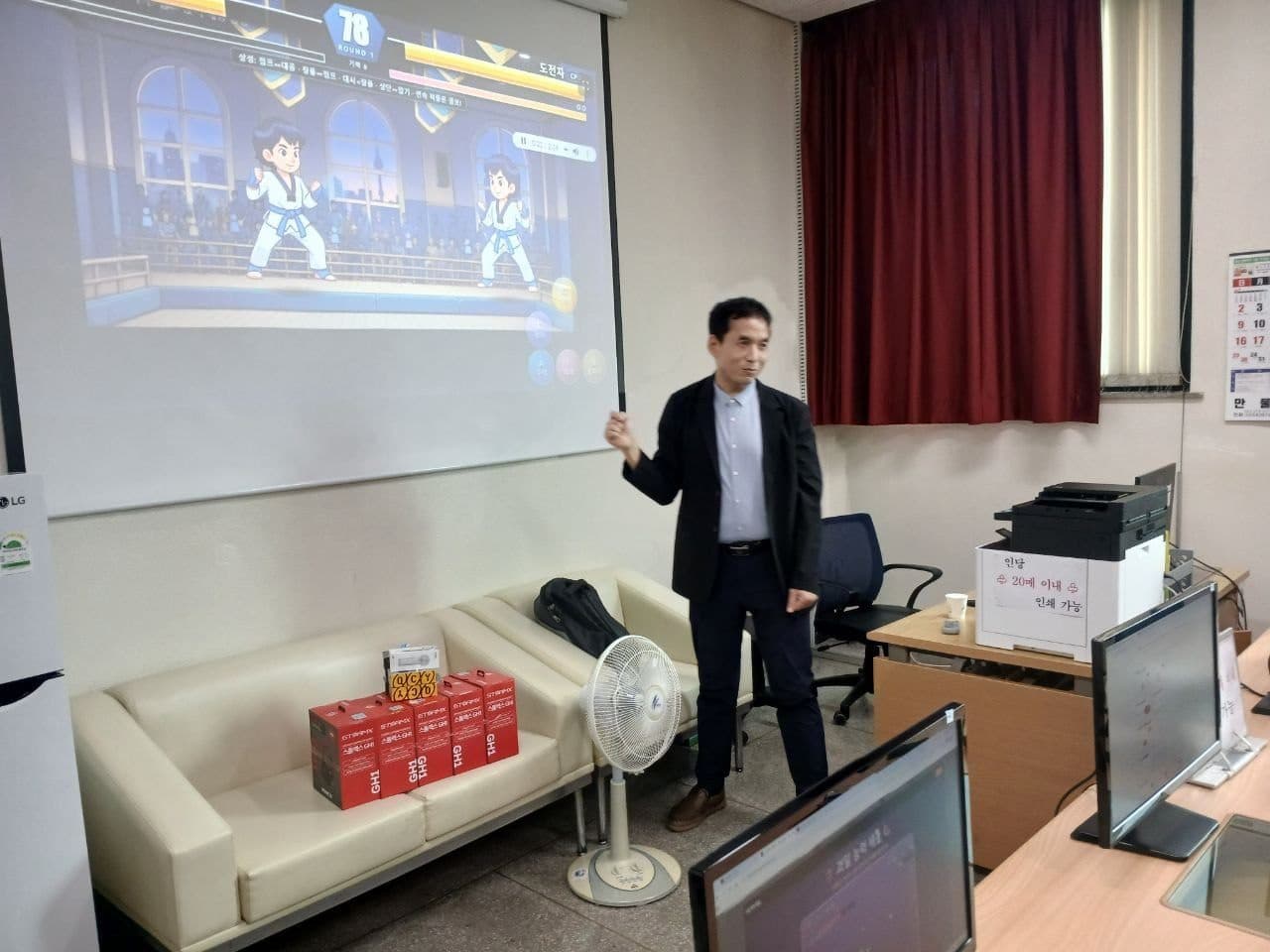
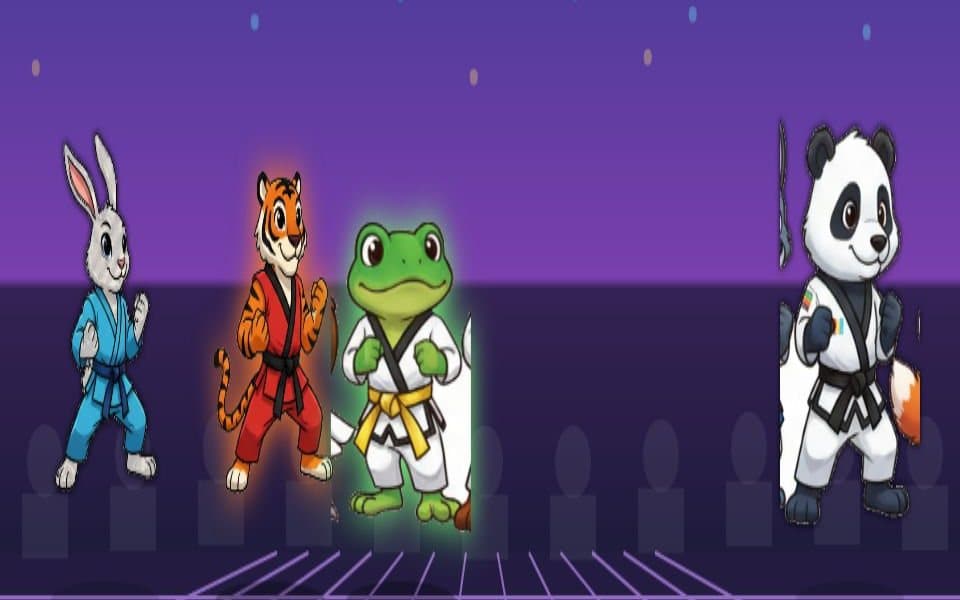
A remix that changed the main character into an animal
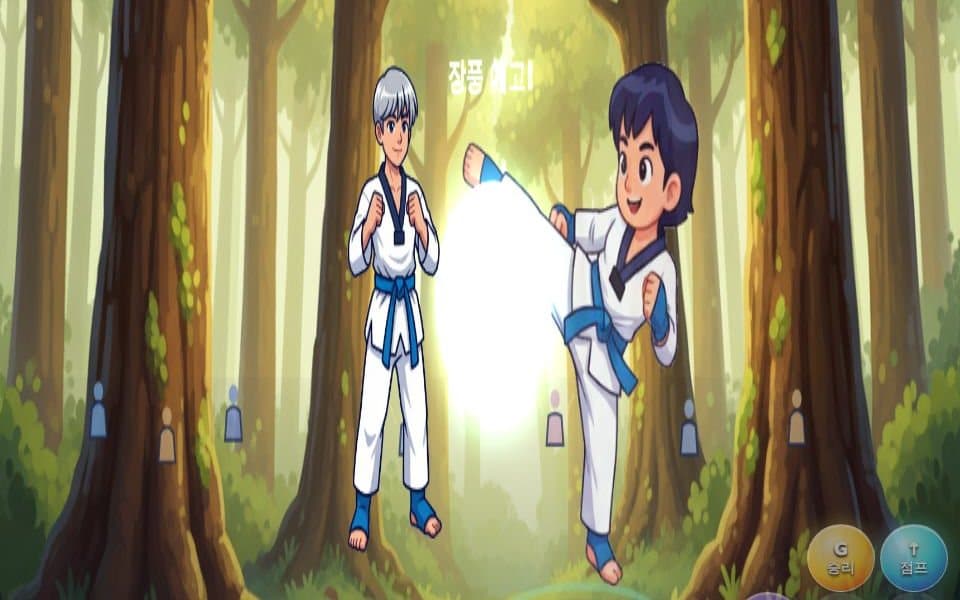
A fighting version in the child’s own colors
A different sport, built on the structure of a fighting game
Chapter 5
The future came first to a shadow zone
A shadow zone is a place that services and technology reach late. This course took place in one: the training room of a community service center in a county with no coding school and a shrinking population. When tools understand spoken language, the map of who can make things is drawn again. Places with children who can say what they intend move ahead, even before the private-school districts of Seoul.
The four weeks had three conditions: a tool that makes things from words, a Playground where children are each other's audience, and an operating team that solves problems within 10 minutes. These three are working assumptions. We can test them again when we design other sites. We used a similar method in a class for public officials and at a welfare center for people with disabilities. But whether the results repeat for each group and each setting must be checked separately.
The children came to play games. They finished as makers who took over someone else's work and published a version under their own name. What the course gave them was an attitude more than a skill: imagination becomes words, and words become reality.
Where the numbers come from
All numbers in this story are measured values from the platform's automatic record (plays, likes and change history). They were submitted to the commissioning agency in the final report of the four-week course (45 pages). Children appear only under anonymous nicknames.
For places that need the same method
The three parts of this classroom (tool, Playground, running mate) can be set up at local children's centers, schools, lifelong learning centers and company training.
Episode 01 · “Imagination to Reality”, a four-week AI game-making course for elementary school children (July 27 to August 17, 2026) · Host: Yeongyang-eup Community Service Center · Organizer: Myeongseong Simjae (MSSJ) · Education tool: SimThink OS (built by MSSJ) · The story continues in the next episode.